Sudden heat spikes hit caged honey bees harder than steady heat, WSU lab study finds
In a Scientific Reports lab study, bees moved abruptly to 40 °C days died at higher rates than bees kept hot from the start; pollen improved survival.
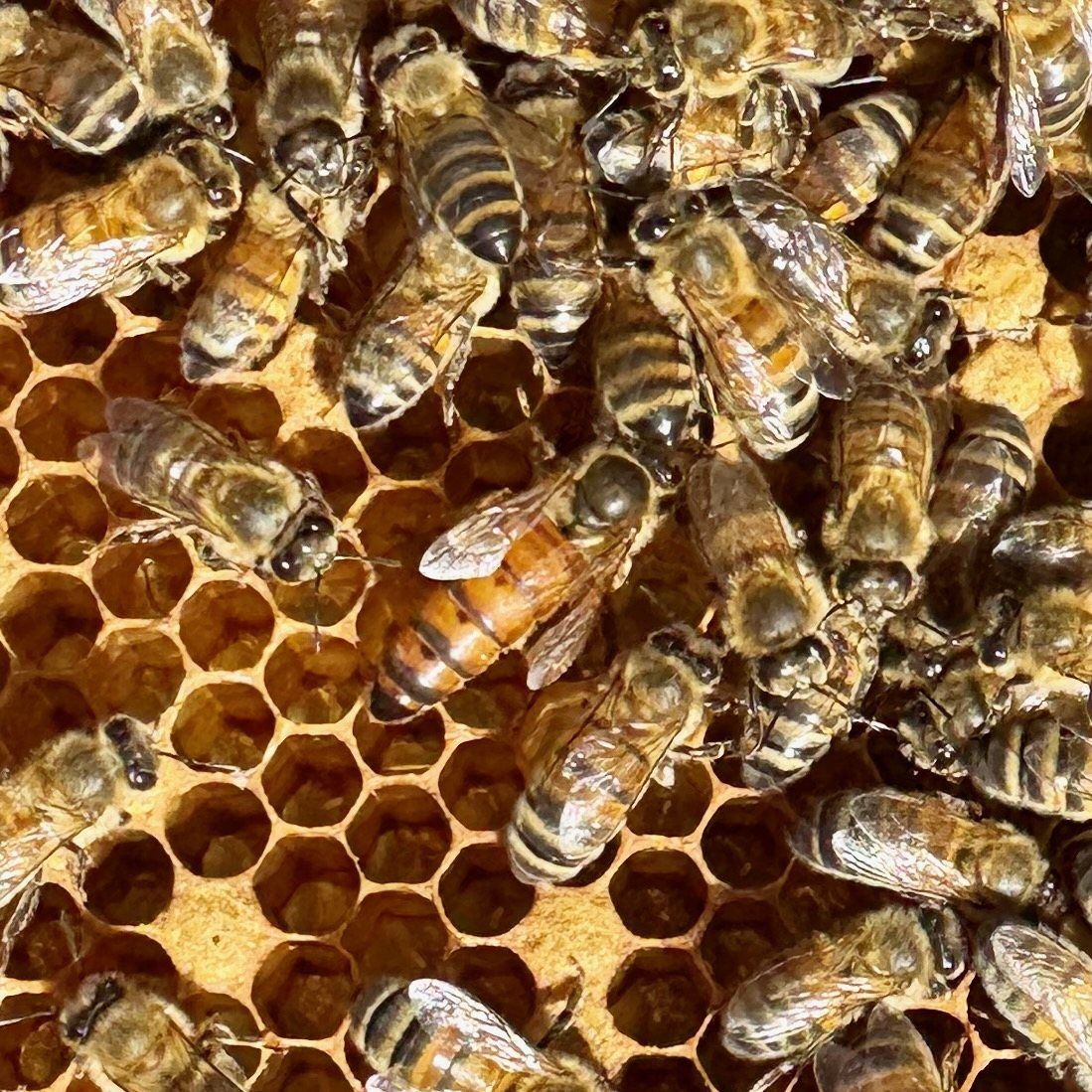
A sudden jump in temperature appears to be harder on honey bees than heat they have been exposed to from the start. That is the main finding of a laboratory study from Washington State University, published on November 18 in Scientific Reports and announced by WSU the same day. The work comes from the lab of Priya Chakrabarti Basu, an assistant professor in WSU’s Department of Entomology; Lauren Baugus is first author.
How the study worked
Newly emerged workers from six colonies headed by sister queens were placed in cages of 150 bees, three cages per treatment, for 14 days:
- control: a constant 33 °C (91 °F);
- chronic heat: 40 °C (104 °F) for 12 hours a day, 33 °C at night, for the whole period;
- heat shock: 33 °C for seven days, then the same 40 °C day cycle for the last seven.
All bees had sugar syrup and water; half the cages also got a pollen patty.
What they found
- Mortality differed significantly between groups. Heat-shocked bees without pollen had the highest mortality, higher than bees under chronic heat.
- Pollen-fed bees survived better in every stressed group, and pollen drove most of the protein changes measured.
- Overall gut microbiome diversity did not change with heat, but some bacteria shifted, notably Bombella intestini, which was lower under chronic heat.
Basu suggests the bees kept hot from the start may have adjusted physiologically, and says this idea needs more research.
Limits
This is a cage study, not a field trial. The authors note that each temperature treatment used a single incubator, so incubator effects cannot be separated from temperature, and weekly sampling may have missed fast responses.
The results don’t change winter management. They add to the case for good pollen nutrition going into hot spells; see our guide to feeding bees.